If you’ve been diagnosed with a herniated disc or suspect you might have one, you’re probably overwhelmed with questions and concerns. Let’s cut through the confusion and get straight to the facts about herniated discs, recovery, and what you can do about it.
Can a Herniated Disc Heal?
Yes, absolutely. Even if you have two herniated discs, the answer remains yes. The human body has remarkable healing capabilities, and herniated discs are no exception. The key is understanding the right approach to recovery.
Do You Need Surgery?
Here’s the good news: 97% of herniated disc cases do not require surgery. Your body can heal naturally with the right care, exercises, and lifestyle modifications. Surgery should only be considered in severe cases where conservative treatment hasn’t worked after several months, or if you’re experiencing significant neurological symptoms.
Should You Stop Exercising?
No. In fact, the worst thing you can do for a herniated disc is no exercise at all. Complete rest and inactivity can actually make things worse by weakening the muscles that support your spine and reducing blood flow to the affected area.
How Common Are Herniated Discs?
You might be surprised to learn that over 52% of adults have a disc herniation. Even more interesting? Many people with herniated discs experience no pain whatsoever. Think of it like gradually losing your hair as you age—if it happens gradually and causes no discomfort, it’s a normal part of aging.
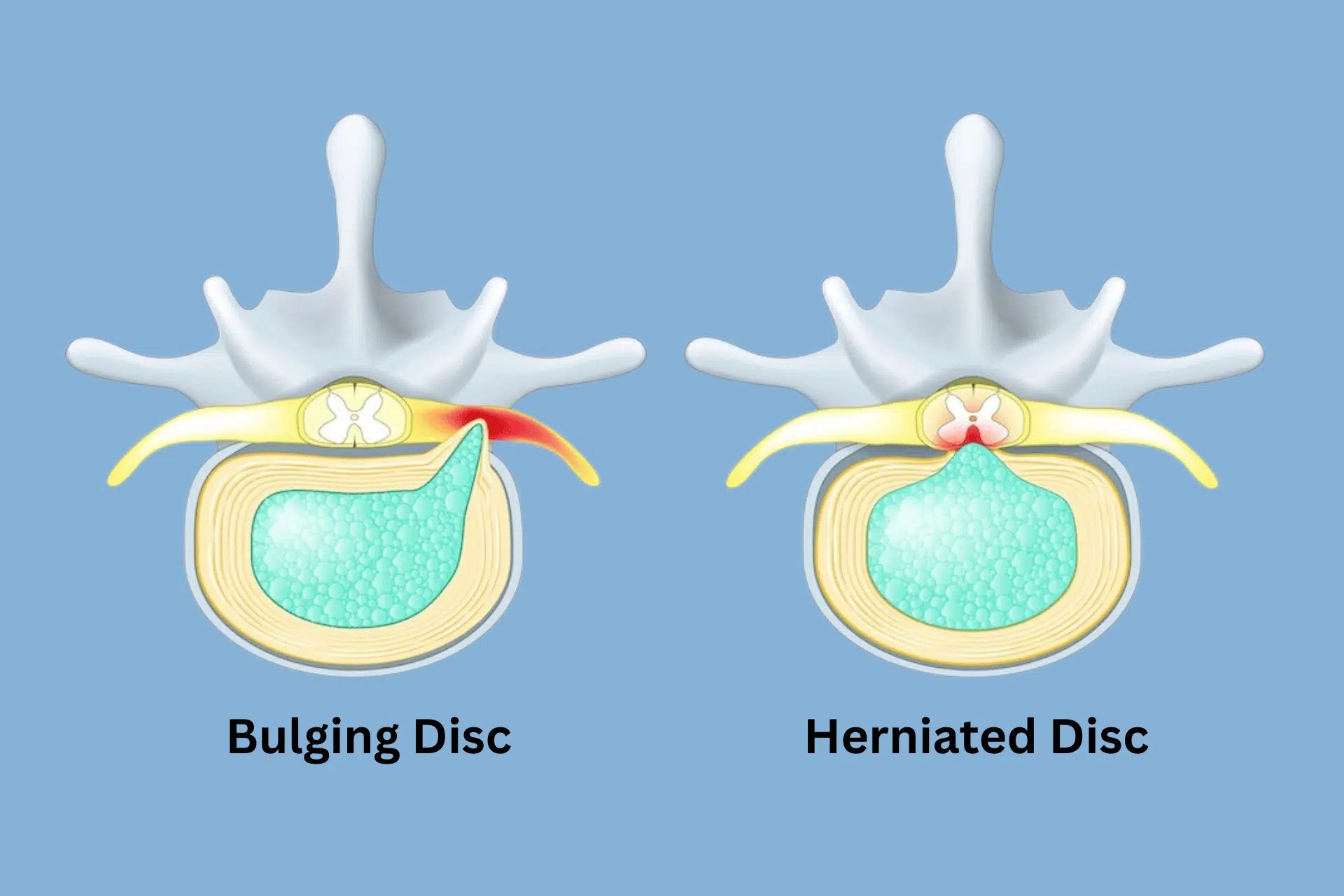
Understanding the Difference: Herniated vs. Bulging Disc
These terms are often confused, but they’re not the same:
- Bulging Disc: Your disc protrudes outward but remains intact
- Herniated Disc: The inner gel-like layer breaks through the outer annulus fibrosus (the tough outer layer)
Symptoms and Complications
Can a Herniated Disc Cause Sciatica?
Yes. When the herniated disc material presses on the sciatic nerve, it can cause pain, numbness, or tingling that radiates down your leg.
Can It Cause Leg Weakness?
Yes. If the herniated disc is compressing a nerve root, you may experience weakness in the affected leg.
Is Sitting Bad for Herniated Discs?
Yes, prolonged sitting can increase pressure on your spinal discs and aggravate symptoms. If you work a desk job, take frequent breaks to stand and move around.
The Best Exercise for Herniated Discs
Back extensions are often considered one of the most beneficial exercises for herniated discs. This exercise helps:
- Strengthen the lower back muscles
- Promote proper spinal alignment
- Reduce pressure on the affected disc
- Improve flexibility and range of motion
However, always start gently and consult with a healthcare professional before beginning any exercise program.
Recovery Timeline
Most herniated discs heal within 2 to 4 months with proper care and management.
Your Action Plan for Recovery
1. Stay Active
Continue moving and exercising within your pain tolerance. Gentle activities like walking, swimming, and specific strengthening exercises can accelerate healing.
2. Focus on Core Strengthening
Building core strength provides better support for your spine and reduces stress on the affected disc.
3. Practice Good Posture
Maintain proper posture while sitting, standing, and lifting to minimize disc pressure.
4. Apply Heat or Ice
Use ice for acute pain (first 48-72 hours) and heat for chronic discomfort to reduce inflammation and improve blood flow.
5. Consider Physical Therapy
A physical therapist can design a personalized exercise program targeting your specific condition and teach you proper movement mechanics.
6. Modify Your Workspace
If you sit for work, ensure your workstation is ergonomically set up. Use a supportive chair, position your monitor at eye level, and take regular standing breaks.
7. Manage Your Weight
Excess weight puts additional stress on your spine. Maintaining a healthy weight can reduce disc pressure and prevent future issues.
8. Try Anti-inflammatory Foods
Incorporate foods rich in omega-3 fatty acids, turmeric, and other anti-inflammatory nutrients to support natural healing.
When to Seek Medical Attention
While most herniated discs heal on their own, consult a healthcare provider if you experience:
- Severe pain that doesn’t improve with rest
- Progressive weakness in your legs
- Loss of bladder or bowel control
- Numbness in the groin or inner thighs
- Symptoms that worsen despite conservative treatment
The Bottom Line
A herniated disc diagnosis isn’t a life sentence. With patience, proper exercise, and lifestyle modifications, the vast majority of people recover fully without surgery. Remember that healing takes time—typically 2 to 4 months—so be patient with your body and consistent with your recovery plan.
Stay active, focus on strengthening exercises (especially back extensions), maintain good posture, and don’t let fear of movement hold you back. Your spine is stronger and more resilient than you think.